How Custom Packaging Can Elevate Travel Souvenirs and Gift Products
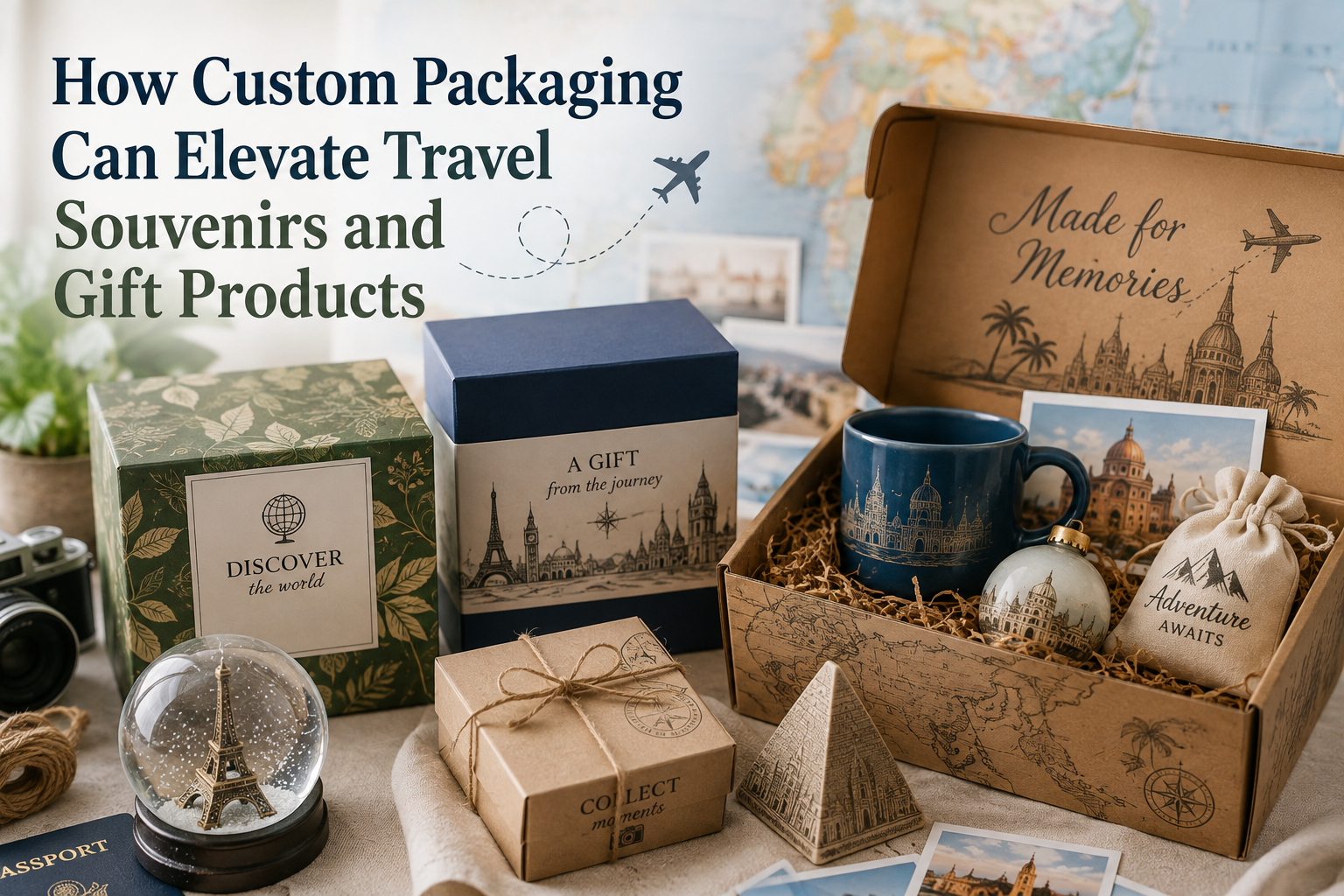
Every traveler has a drawer, shelf, or box somewhere filled with souvenirs collected over the years. Some of those items get displayed proudly. Others end up forgotten, still wrapped in the flimsy plastic bag they were handed in at checkout. The difference often has less to do with the souvenir itself and more to do with how it was presented the moment it left the shop.

Souvenirs carry memory. A hand-painted tile from a coastal village, a jar of local honey, a piece of woven textile picked up at a market stall: these objects are meant to represent a place and a moment. Yet many souvenir shops and tourism businesses still treat packaging as an afterthought, something functional rather than meaningful. That gap between the emotional weight of a souvenir and the plain box it arrives in is where a real opportunity sits.
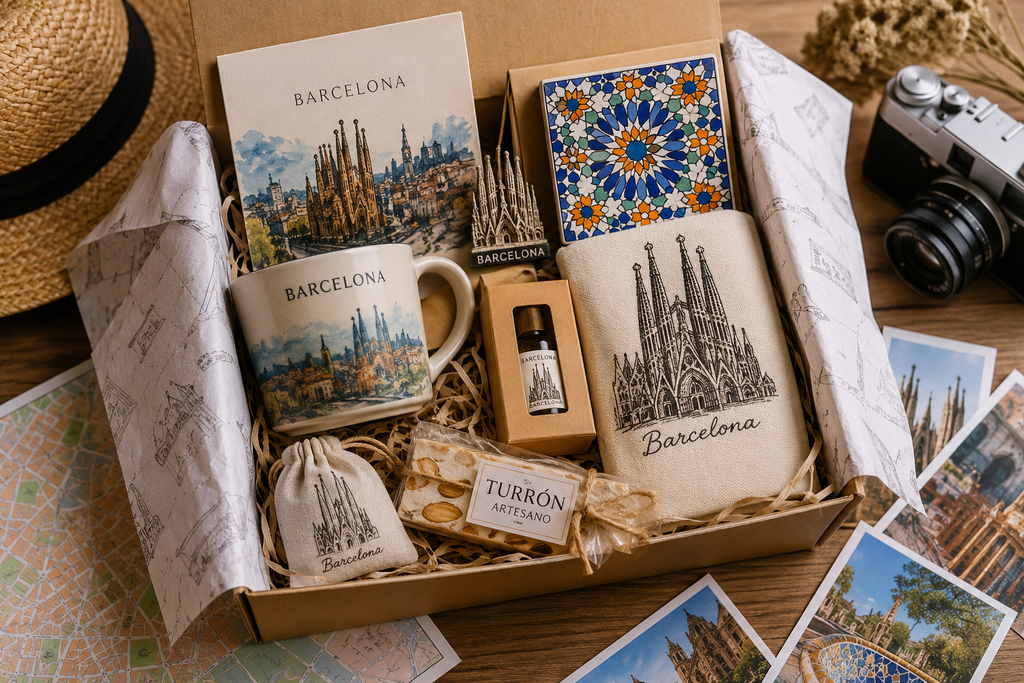
How Packaging Shapes the Travel Souvenir Experience
Think about the last time you unwrapped a gift that had been carefully packaged versus one tossed into a generic bag. The item might have been identical, but the experience of opening it was not. Packaging sets expectations before a person even sees what’s inside.
For souvenirs, this matters even more than usual. A traveler buying a gift to bring home isn’t just purchasing an object. They’re purchasing a story to tell later, a way to share a piece of their trip with someone who wasn’t there. If the packaging looks thoughtful, it reinforces the idea that the item inside is worth the story. If it looks careless, the item can feel like an afterthought too, no matter how well made it actually is.
Small tourism businesses that understand this tend to see it reflected in repeat customers and word of mouth. A souvenir that survives the trip home intact and looks good doing it tends to get shared, photographed, and remembered.
Why Travelers Value Memorable Presentation
Travelers are, by nature, collectors of experiences. Presentation plays directly into that instinct. A sturdy box with a destination-specific design, a ribbon tied around a bundle of postcards, or a simple wax seal on a paper wrapper all send a signal: this was made with care, and it’s meant to last beyond the moment of purchase.
There’s also a practical side to this. Souvenirs often travel long distances after they’re bought, sometimes stuffed into a suitcase alongside clothes and other items. Presentation that holds up under those conditions, rather than crumpling or tearing, adds real value. A traveler who arrives home to find their gift still looking sharp is far more likely to think fondly of where they bought it.
How Custom Packaging Strengthens Destination Branding
Destinations compete for attention just as much as products do. A region known for its ceramics, a coastal town known for its sea salt, or a mountain village known for its wool goods all benefit when their packaging reflects something specific about that place rather than looking generic.
This is where custom packaging becomes a branding tool rather than just a container. A box that incorporates local colors, a simple map illustration, or a pattern inspired by regional textiles helps tie the product back to its origin. It gives the item a visual identity that a plain cardboard box never could.
Tourism boards and local business associations sometimes overlook this. They invest heavily in destination marketing, yet leave the final physical touchpoint, the packaging a visitor takes home, unbranded and forgettable. Closing that gap doesn’t require a large budget. Even modest design choices, applied consistently, can build recognition over time.
Packaging Ideas for Different Types of Travel Gifts
Not every souvenir needs the same packaging approach. Fragile items, food products, and small keepsakes all have different requirements.
Handmade Crafts and Ceramics
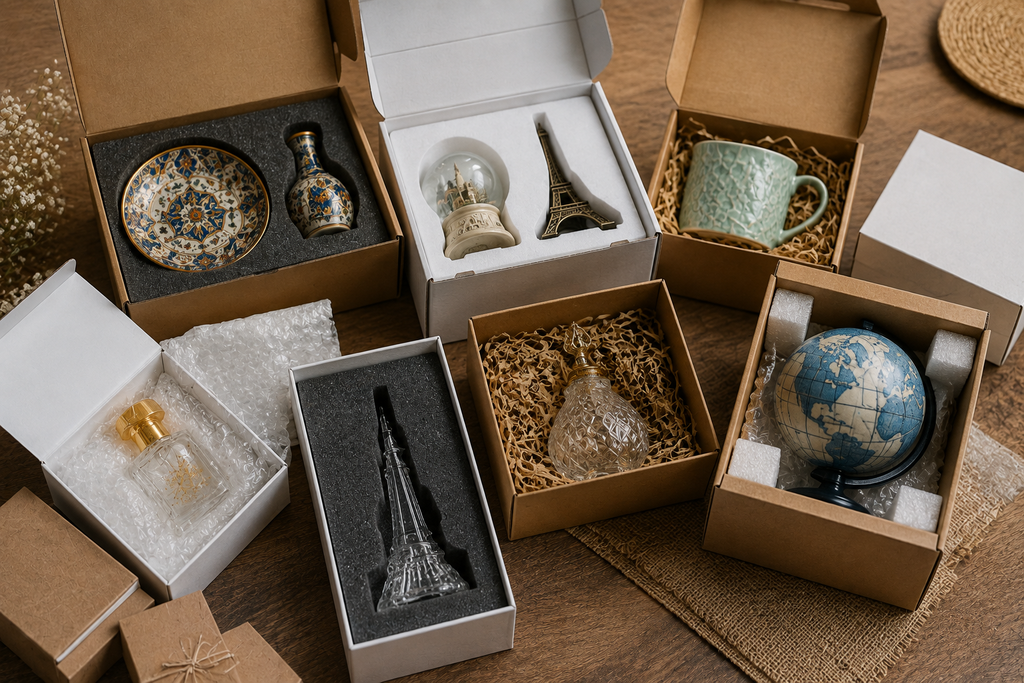
Items like pottery, carved wood, or glasswork need protection first and presentation second. Custom gift boxes with fitted inserts or tissue lining protect against breakage while still looking polished when opened.
Specialty Foods
Local honey, spices, tea, or olive oil often travel in glass jars or tins that need cushioning. A well-designed box that both protects and displays the product, perhaps with a small printed card explaining its origin, adds a layer of storytelling that plain packaging can’t offer.
Jewelry and Small Keepsakes
Small items benefit from compact, structured packaging that feels intentional rather than oversized. A tightly fitted box signals quality even before the item is seen.
Cosmetics and Local Beauty Products
Soaps, oils, and skincare items tied to a region’s natural resources often lean into premium packaging to match the perception of quality travelers expect from artisanal goods.
The Role of Materials, Durability, and Protection During Travel
Presentation only matters if the item survives the journey. Anyone who has ever opened a suitcase to find a broken souvenir understands this immediately. Packaging for travel products has to account for handling that regular retail packaging rarely faces: being tossed into overhead bins, squeezed into backpacks, or checked as luggage.
This is where material choice becomes practical rather than purely aesthetic. Rigid boxes, reinforced corners, and snug internal padding all help prevent damage. At the same time, overly bulky packaging creates its own problem, since travelers often have limited luggage space. Finding the right balance between protection and compactness is part of what separates thoughtful souvenir packaging from packaging that just looks nice on a shelf.
How Packaging Can Support Sustainable Tourism
Sustainability has become an important consideration for many travelers rather than simply a marketing trend. Excess plastic wrap, non-recyclable materials, and oversized packaging all create unnecessary waste that visitors notice. This concern becomes even more important in destinations that promote themselves as eco-conscious and environmentally responsible.
Businesses that choose recyclable or reusable packaging materials often create a more positive impression among travelers. A cloth pouch that customers can reuse as a small bag, or a box made from recycled paper, gives the packaging a useful life beyond the initial purchase. For destinations built around natural beauty, such as coastal towns, forested regions, or mountain villages, packaging choices that reflect the local environment strengthen the message the destination wants to communicate.
How Small Travel Businesses Can Use Packaging to Stand Out
Larger retailers often have design teams and packaging budgets that small souvenir shops simply don’t have access to. That doesn’t mean small businesses are shut out of the benefits of good packaging. A few consistent design elements, a signature color, a repeated logo placement, or a distinct box shape, can create recognition without requiring a large investment.
Local shop owners looking to source customized packaging for souvenirs or travel-related gift products don’t need to start from scratch either. Companies that specialize in custom packaging solutions, such as BoxyPack, work with smaller retailers to produce boxes and wrapping that reflect a shop’s identity without requiring bulk orders meant for large corporations. This kind of partnership lets a small souvenir shop compete visually with bigger tourism retailers while keeping costs manageable.
Why Personalization Matters for Travel Gifts
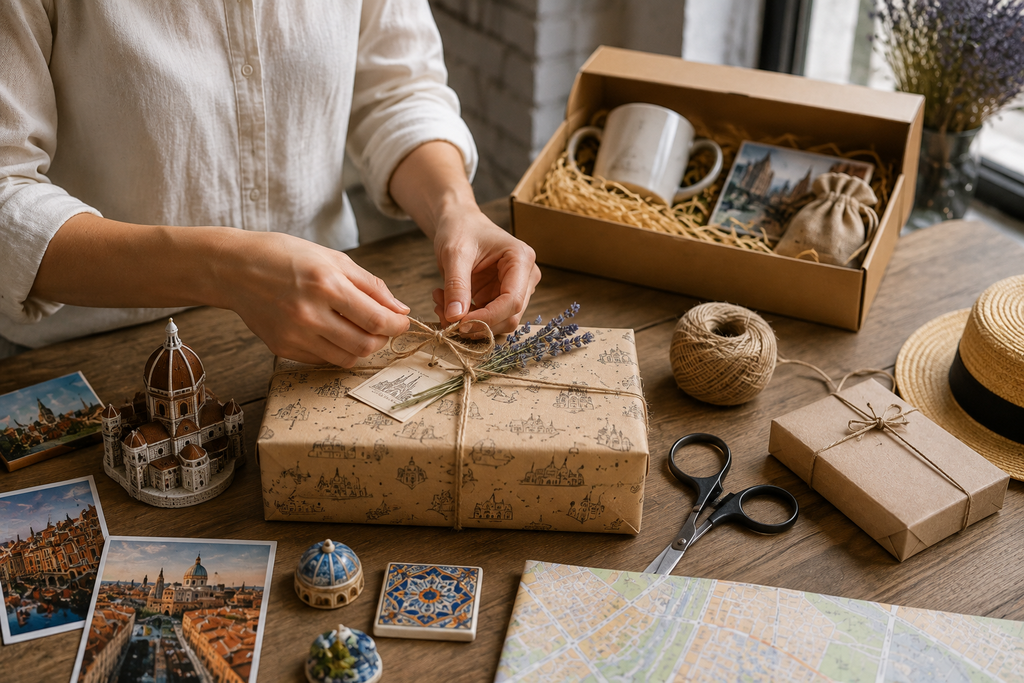
Personalized packaging adds another layer to the souvenir experience. A traveler buying a gift for a specific person, a parent, a friend back home, a partner, often appreciates small touches that make the item feel less mass-produced. This could be as simple as a handwritten tag, a printed name card, or a box design that reflects the specific city or region rather than a generic country-wide theme.
Personalization doesn’t have to mean customizing every single order individually. Many businesses achieve a similar effect by offering a few packaging variations tied to different neighborhoods, landmarks, or local traditions within the same destination. This gives customers a sense of choice and specificity without creating a logistical burden for the shop.
How Businesses Can Choose the Right Packaging Partner
For tourism businesses ready to invest in better packaging, choosing the right partner matters as much as the design itself. A good packaging supplier should understand the practical demands of travel retail: smaller order volumes, seasonal fluctuations, and the need for packaging that’s both attractive and durable enough to survive transit.
It also helps to work with a supplier who can produce samples before committing to a larger order. Testing how a box holds up with an actual product inside, rather than relying on renderings alone, avoids costly mistakes. Shops that plan ahead, especially before peak tourist seasons, tend to have an easier time refining their packaging without rushing the process.
Conclusion
Packaging is often the last thing a souvenir shop thinks about and the first thing a customer notices. For an industry built on memory and place, that disconnect is worth addressing. Thoughtful presentation, durable materials, and design choices that reflect a destination’s identity all play a role in turning a simple purchase into something a traveler wants to keep, display, and talk about later. As tourism businesses continue to compete for attention, the shops that treat packaging as part of the product, rather than an afterthought, are the ones travelers tend to remember long after the trip is over.